Artificial Lawn Installation: Elevate Your Yard With Effortless Elegance
Synthetic turf installation offers a practical solution for homeowners who desire an attractive lawn without the hassle of constant upkeep. This forward-thinking choice delivers numerous advantages, from water conservation to reduced pest problems. Grasping the specifics of setup and care can significantly boost a property's worth. Still, some homeowners question whether this investment is worthwhile over time. Exploring the details can provide clarity on this increasingly popular option.
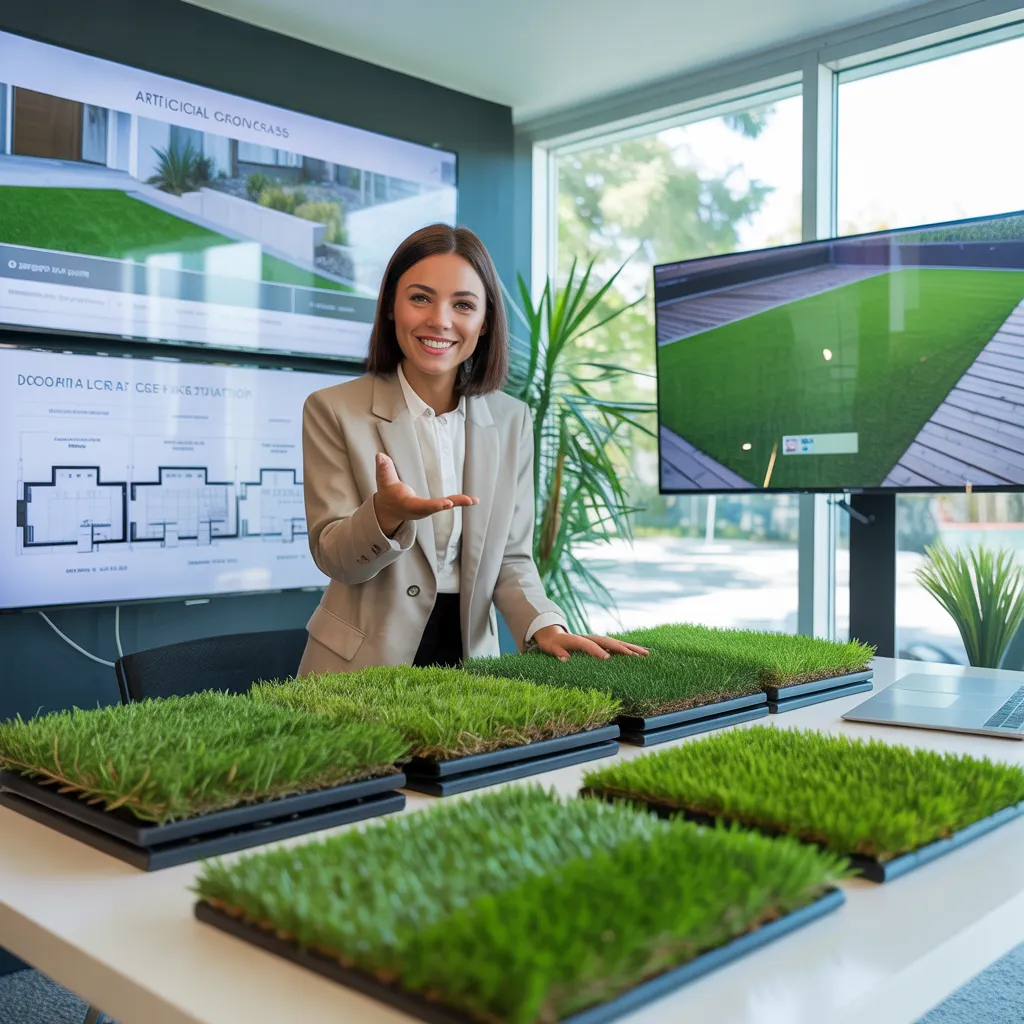
Tired of Lawn Maintenance? Discover Why Artificial Grass Is the Perfect Solution
Why suffer through never-ending lawn care when artificial grass offers a practical alternative? A great number of homeowners feel burdened by the requirements of natural grass, which involves routine mowing, watering, and fertilizing. These responsibilities not only take up precious time but also lead to higher water bills and environmental issues. Synthetic turf offers an answer that removes the necessity for these time-consuming tasks.
Due to progress in technology, contemporary synthetic grass mimics the appearance and texture of real grass, delivering an appealing outdoor space in every season. It endures diverse weather conditions without losing color or vitality, making it a dependable option for all climates. Moreover, installing artificial grass can significantly improve the visual appeal of both residential and commercial spaces, offering a clean, manicured look without the upkeep. As more individuals seek low-maintenance options, synthetic turf stands out as an appealing option for those weary of conventional lawn maintenance.
5 Key Benefits of Choosing Artificial Turf
Although many homeowners look for low-maintenance landscaping options, the merits of artificial turf go well beyond simple convenience. For starters, artificial grass keeps a vibrant look throughout the year, removing the seasonal discoloration typical of natural grass. Additionally, it substantially decreases water use, making it an environmentally conscious option, especially in drought-prone areas. In addition, artificial turf is resistant to pests and weeds, reducing the reliance on damaging pesticides and herbicides. Fourth, it provides long-lasting strength, withstanding heavy use without the deterioration commonly associated with natural grass. To conclude, the installation of artificial turf has the potential to increase property value, delivering a polished, inviting appearance that draws in potential buyers. Combined, these merits make artificial turf a compelling and functional choice for homeowners seeking to enhance their outdoor areas.
Pick the Right Type of Artificial Grass
Choosing the correct kind of artificial grass entails a number of key elements that can greatly impact its performance and appearance. Considerations such as color, pile height, and weather resistance are important in arriving at a well-informed selection. Each aspect plays a role in the overall aesthetic and functionality of the setup, making sure it satisfies particular needs and preferences.
Grass Pile Height Considerations
When picking artificial grass, one important consideration to keep in mind is the pile height, which can considerably influence both visual appeal and practicality. Pile height typically ranges from 1 inch to 2.5 inches, and the best option depends on intended use and aesthetic preferences. Taller piles frequently produce a rich, realistic look but may require more maintenance to stand upright. In contrast, shorter piles deliver a more resilient finish, ideal for high-traffic areas such as sports fields or playgrounds. Additionally, environmental factors, such as regional climate and sunlight exposure, can impact the effectiveness of different pile heights. At the conclusion of the day, selecting the appropriate pile height ensures that the artificial grass satisfies both visual expectations and functional requirements for any given space.
Find The Right Color
How can the right color enhance the overall appeal of artificial grass? Choosing the right color for artificial grass plays a vital role in creating a natural appearance and harmonizing with the surrounding landscape. A variety of shades, from vibrant greens to muted earth tones, allows homeowners to tailor their choice based on personal preference and environmental factors. To illustrate, pale greens can generate a crisp, seasonal feel, while richer tones may convey a more refined, full-bodied appearance. Furthermore, an appropriate color can assist in managing sunlight reflection, which can impact the general atmosphere of the outdoor area. At the end of the day, picking the perfect color not only elevates the decorative appeal but also confirms that the artificial grass merges smoothly into its natural setting.
Strength And Weather Protection
Durability and weather resistance are essential considerations in choosing the right type of artificial grass, as they significantly influence its durability and overall effectiveness. Top-grade synthetic lawn is built to resist various weather conditions, including strong UV rays, heavy precipitation, and sub-zero temperatures. When selecting artificial grass, one should consider materials such as polyethylene or polypropylene, known for their resilience should be prioritized. UV resistance is equally significant, as it guards against discoloration and deterioration caused by sun exposure. Furthermore, a strong backing system improves durability and minimizes deterioration over time. Ultimately, investing in durable, weather-resistant artificial grass guarantees a beautiful, functional lawn that requires minimal maintenance while enduring the elements effectively.
How to Prepare Your Yard for Artificial Grass Installation
Getting a yard for artificial grass installation involves multiple key steps. As a first step, it is essential to remove all existing plant life to start with a blank surface. Subsequently, evening out the terrain provides a balanced and even ground for the fresh turf.
Eliminate Existing Vegetation
To guarantee a successful artificial grass installation, removing existing vegetation is an essential first step. This procedure involves eliminating all grass, weeds, and other plants from the specified area. Thorough removal ensures that no organic matter interferes with the installation, avoiding future growth that could compromise the artificial grass. It is wise to use tools such as a sod cutter, shovel, or hoe to extract the vegetation effectively. After clearing, the area should be examined to verify no remnants remain, as these can lead to drainage issues and uneven surfaces. Responsible disposal of the extracted vegetation is also essential, contributing to a clean and prepared site for the scheduled installation of artificial grass.
Level The Ground
Following the removal of the existing vegetation, the next step involves leveling the ground to create a stable foundation for the artificial grass. This process commences by assessing the area for any sunken areas or uneven ground. By utilizing a rake or shovel, the homeowner should move soil around to achieve a smooth, flat surface. It's essential to compress the soil to minimize future ground movement, which can result in irregular areas in the artificial grass. A mechanical compactor can be employed for this task. Additionally, a gentle grade should be preserved to ensure adequate water flow away from structures. This thorough grading not important information only boosts the overall appearance but also extends the lifespan of the artificial grass by preventing water accumulation and facilitating effective water drainage.
Complete Step-by-Step Instructions for Installing Artificial Grass
Setting up synthetic turf can change any outdoor area into a vibrant, green retreat with minimal maintenance. The first step requires measuring the area to determine the amount of turf needed. Next, the existing grass and debris must be eliminated, followed by leveling the ground to guarantee proper drainage. A base layer of crushed stone or decomposed granite should then be distributed and compressed to provide a stable foundation.
Following this, a weed prevention fabric is installed to prevent unwanted growth beneath the artificial turf. The fake grass is then rolled out, ensuring it covers the area properly without overlaps. Edges are secured with staples and adhesive, and seams are joined using bonding tape and adhesive for a neat and seamless result. Finally, infill is applied to help the grass blades stand upright, enhancing the overall look and feel. This systematic approach guarantees a successful and aesthetically pleasing installation.
Care Guidelines for Your New Artificial Lawn
Synthetic turf requires ongoing care to keep them looking great and lasting longer. Routine brushing is necessary; employing a stiff-bristle broom assists in raising the fibers and stopping matting. Waste materials like leaves and branches should be cleared away quickly to prevent fading and mold development. In the case of spills or stains, a light soap solution should be applied, then rinsed with water to avoid residue accumulation.
Occasional rinsing with a hose works to remove dirt and pet smells, maintaining a clean appearance and pleasant scent. With frequent use, the infill may need to be topped up in order to sustain proper cushioning and support. In addition, inspecting for any damage, such as tears or loose seams, enables prompt repairs, preserving the lawn's integrity.
Additionally, keeping sharp objects and high-heat sources away can help avoid unnecessary damage. By following these maintenance tips, homeowners can enjoy a vibrant, low-maintenance lawn for years to come.
Is Synthetic Grass Worth the Cost?
How does one determine whether artificial grass is a worthwhile investment? Evaluating the cost-benefit ratio is essential. On the surface, artificial grass may seem like a significant expense, with upfront installation costs typically higher than natural grass. However, its long-term advantages can offset the initial outlay.
Synthetic turf demands little upkeep, eliminating expenses related to fertilizing, mowing, and irrigation. This decrease in maintenance costs can result in significant savings over time. Furthermore, the durability of artificial turf means it can last more than 15 years, providing value through longevity.
Ecological considerations are also a significant factor lower water consumption is an important consideration in drought-prone areas.
At the end of the day, the choice depends on each homeowner's unique situation, including financial considerations, local climate, and personal preferences. Considering these elements can assist homeowners in determining whether artificial grass is a sound financial decision for their particular situation.
Popular Questions and Answers
Can Pets Use Artificial Grass Safely?
Artificial grass is safe for pets to use, as it is free of harmful chemicals and typically built to handle heavy use. Proper drainage and regular cleaning guarantee hygiene, making it a practical choice for pet owners seeking low-maintenance solutions.
How Long Does Artificial Grass Last?
Artificial grass generally has a lifespan of between 15 to 25 years, depending on factors such as the quality of materials, level of use, and environmental factors. Consistent upkeep can help prolong its durability, making it a lasting and visually pleasing solution for outdoor environments.
Does Artificial Grass Have Eco-Friendly Benefits?
Synthetic turf is often considered less eco-friendly due to its fossil fuel-based composition and potential environmental impact throughout creation and waste management. Nevertheless, it conserves water and decreases reliance on chemical treatments, contributing positively to particular aspects of the ecosystem.
Can Artificial Grass Be Recycled?
Absolutely, artificial grass can be recycled, though the procedure varies by maker. Many businesses offer eco-friendly recycling options, allowing customers to return worn turf for reclamation, thereby minimizing waste in landfills and supporting eco-friendly practices.
What Takes Place During Harsh Weather Conditions?
In the midst of extreme climatic conditions, artificial grass can undergo temperature variations, possible discoloration, or structural deformation. Intense precipitation can lead to poor water runoff, while intense heat could make the grass surface to feel excessively warm for those using it.